The Process For The Preparation Of Ethyl Acetate
Ethanol is dehydrogenated at the presence of hydrogen over a dehydrogenation catalyst, by way of instance, a copper on silica catalyst. The liquefiable products within the intermediate reaction product mix are hydrogenated over a suitable catalyst, for example 5 percent ruthenium on carbon, in order to hydrogenate reactive carbonyl-containing by-products into the corresponding alcohols.
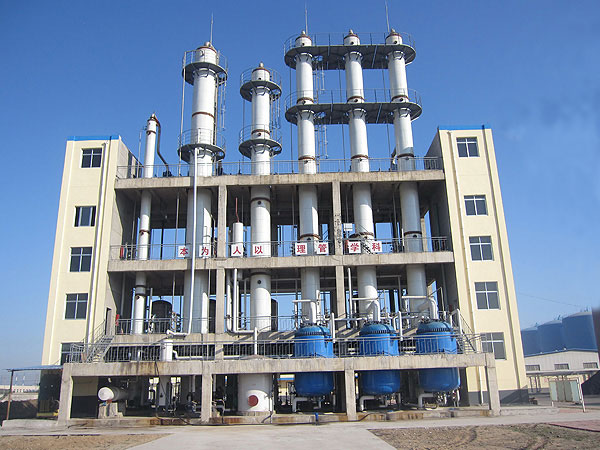
Both phase purification process is then utilized to purify the hydrogenated product. A primary distillate of Ethyl Acetate Production, water and ethanol generated from the first distillation zone is redistilled from the second distillation zone, thus creating a base product containing, typically, from approximately 99.8 mol% to approximately 99.95 mol percent ethyl acetate and an overhead next distillate, which includes a different composition from that generated from the first distillation zone and that can be returned to the initial distillation zone.


评论
发表评论